

What are Body-Focused Repetitive Behaviours
- Chelsie Ostrega
- Sep 29, 2025
- 3 min read

Updated: Nov 16, 2025
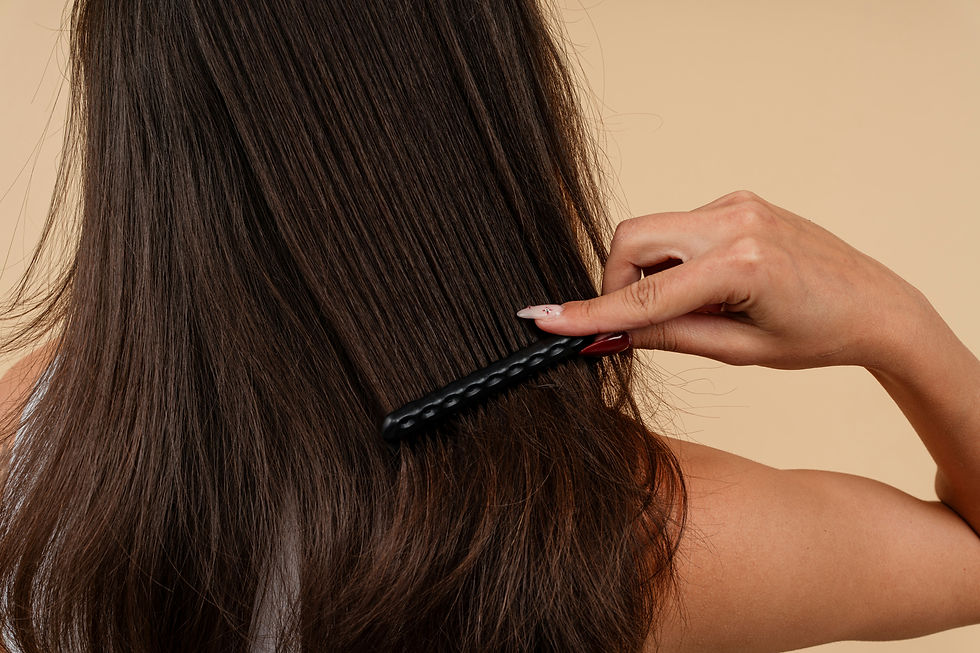
Have you ever caught yourself biting your nails during a stressful meeting or absentmindedly playing with your hair while watching TV? For many people, these occasional habits are just that - habits. But for others, they can be a sign of something deeper: a group of conditions known as Body-Focused Repetitive Behaviours (BFRBs).
While often misunderstood or dismissed as “bad habits,” BFRBs are complex mental health conditions that affect millions of people worldwide. Despite their prevalence, they remain under-discussed, underreached, for many, a source of shame or confusion.
What Are BFRBs?
Body-Focused Repetitive Behaviors (BFRBs) are a group of related behaviours characterized by repetitive self-grooming that damage the body. Common BFRBs include:
Trichotillomania (Hair-Pulling Disorder): Repeatedly pulling out hair from the scalp, eyebrows, eyelashes, or other areas.
Excoriation Disorder (Skin Picking Disorder): Recurrent skin picking that leads to sores, scabs, or scars.
Onychophagia (Nail Biting): Chronic nail biting that causes physical damage or infection.
These behaviors often serve as a coping mechanism for stress, boredom, anxiety, or even deep concentration. They can provide a momentary sense of relief but at the cost of long-term physical and emotional pain.
It’s More Than Just a Habit
One of the biggest misconceptions about BFRBs is that they’re simply habits people should be able to “just stop.” In reality, stopping these behaviours often requires more than just willpower.
People with BFRBs often describe feeling a build-up of tension or an uncomfortable urge that is only relieved by engaging in the behaviour. Afterwards, feelings of guilt, embarrassment, or shame are common, especially if the behaviour leads to visible marks or hair loss.
Who Is Affected?
BFRBs affect people of all ages, genders, and backgrounds. While many develop these behaviours in childhood or adolescence, they can continue into adulthood if left untreated.
Research suggests that BFRBs may have a genetic component, and they often co-occur with other mental health conditions like anxiety, depression, or OCD.
How Are BFRBs Treated?
The good news is: treatment is available.
Effective approaches include:
Habit Reversal Training (HRT), a cognitive behavioural therapy which helps individuals recognize triggers and replace harmful behaviours with healthier ones.
Medication: In some cases, medications like SSRIs (commonly used for anxiety and depression) can be helpful. Consult with your doctor.
Support Groups: Being around others who understand can reduce the isolation many feel and provide accountability.
Mindfulness and Stress Reduction: Techniques like meditation, yoga, and journaling can help manage underlying emotional triggers.
Importantly, seeking help from professionals experienced in BFRBs is key—they understand the unique nature of these disorders and can provide tailored treatment plans.
Breaking the Stigma
Because BFRBs often result in visible signs - like bald patches or skin lesions—many people go to great lengths to hide them. This secrecy can lead to loneliness and shame, making it even harder to reach out for help.
But there’s nothing to be ashamed of.
BFRBs are real, diagnosable conditions, and people who struggle with them are not weak, lazy, or attention-seeking. They are dealing with a genuine psychological challenge—and deserve understanding, support, and compassion.
Final Thoughts
Whether you’re someone living with a BFRB, or you love someone who is, know this: you’re not alone, and it’s not hopeless.
Raising awareness is a powerful first step. The more we talk about BFRBs with empathy and honesty, the more we can create a world where people feel safe to seek support—without fear, judgment, or shame.
If you or someone you know is struggling with a BFRB, consider reaching out to a mental health professional or exploring resources from organizations like the TLC Foundation for BFRBs (www.bfrb.org).
You are not your behaviour. Healing is possible—and you are worthy of it


Comments